
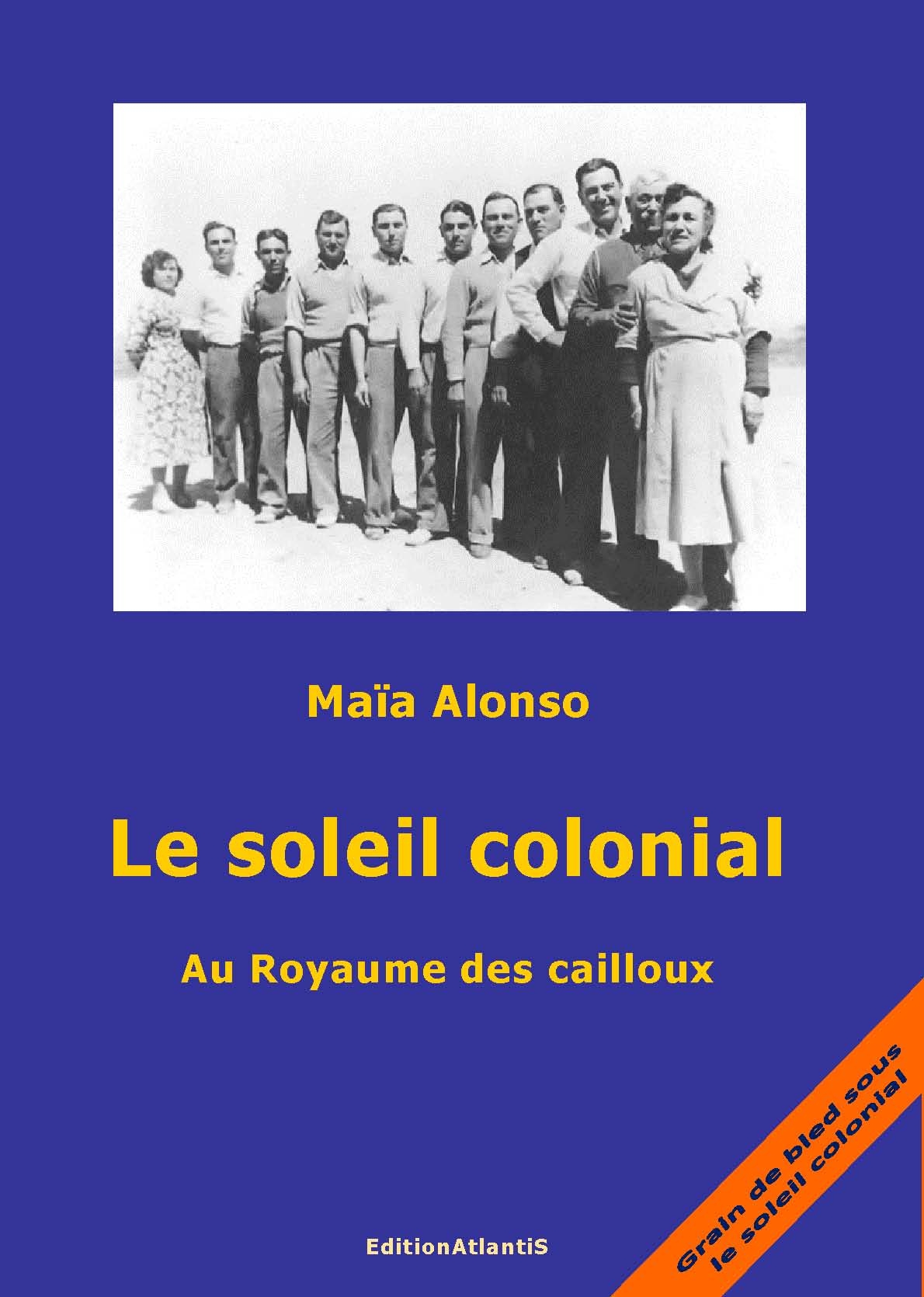
Le soleil colonial. Au Royaume des cailloux
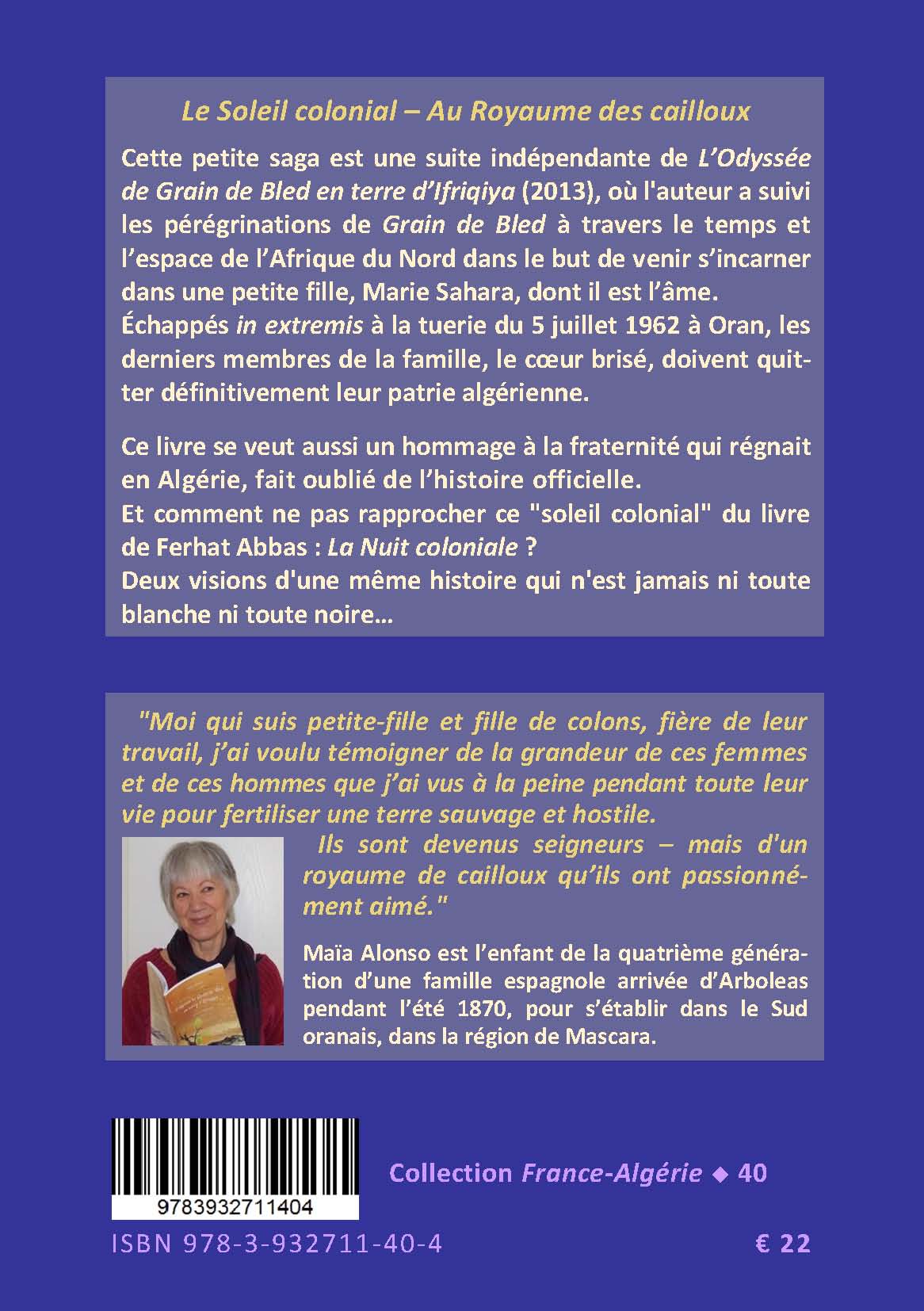
This small saga is an independent sequel to L’Odyssee de Grain de Bled en terre d’Ifriqiya (2013), where the author followed the peregrinations of Grain de Bled through the time and space of North Africa with the goal of embodying himself in a little girl, Marie Sahara, whose soul he is.
Having escaped the July 5, 1962, massacre in Oran at the last minute, the last members of the family, with broken hearts, must leave their Algerian homeland forever.
This book is also intended as a tribute to the fraternity that prevailed in Algeria, a fact forgotten by official history.
And how can one not compare this "colonial sun" with the book by Ferhat Abbas: The Colonial Night? Two visions of the same history that is never all white or all black.
I, who am the granddaughter and daughter of settlers, proud of their work, wanted to bear witness to the greatness of these women and men whom I saw toiling all their lives to fertilize a wild and hostile land. They became lords, but of a kingdom of stones that they passionately loved.
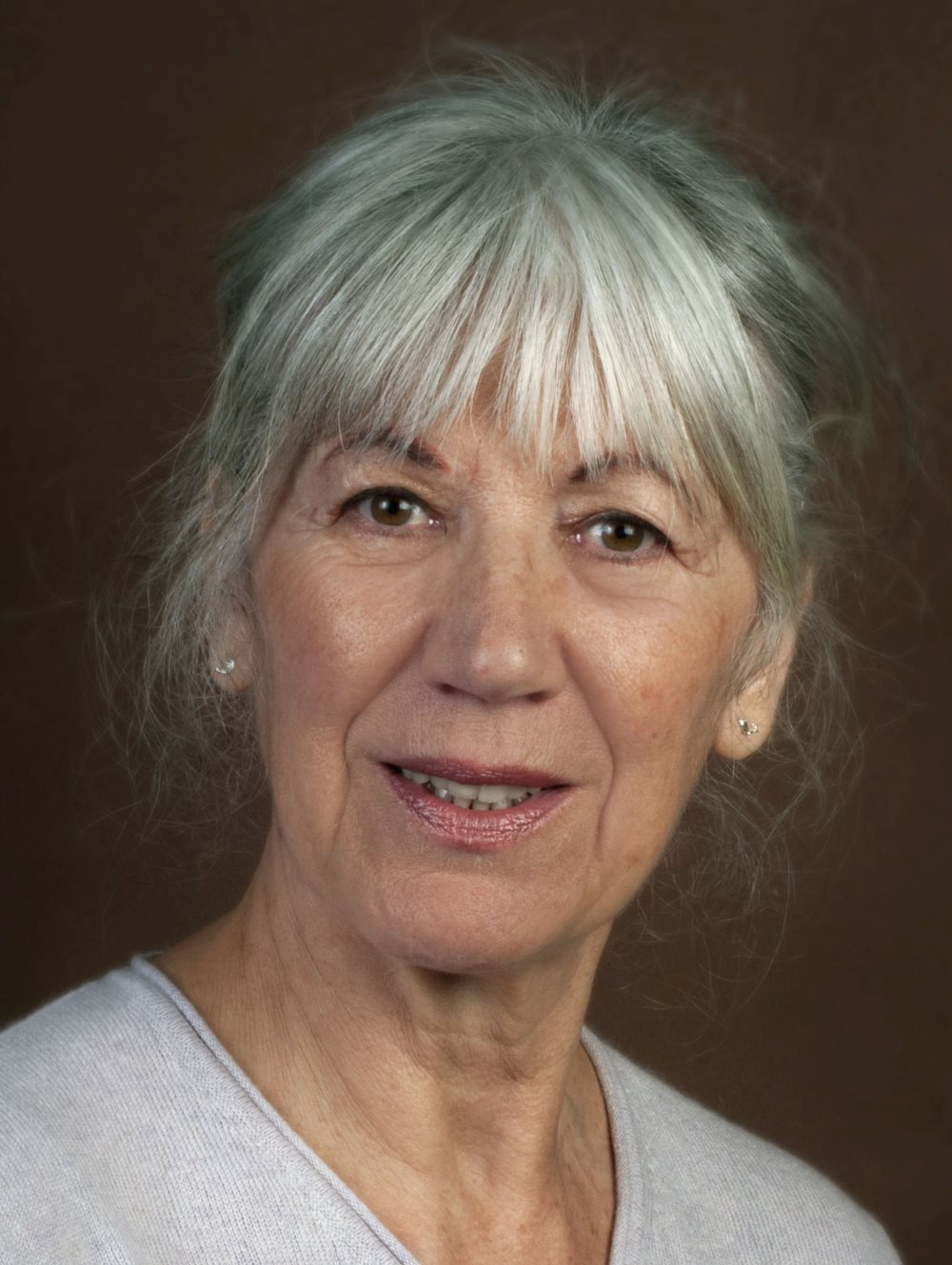
Maia Alonso is a child of the fourth generation of a Spanish family that arrived from Arboleas during the summer of 1870 to settle in the south of Oran, in the Mascara region.
Terre d'Eghriss Prize 2014.
Collection France-Algeria 40.
Here is a letter to the author (October 2014):
Hello Maia, I did not read your book: I devoured it, in barely more than a day! It is currently in the hands of my husband (one of the rare Patos who understood us), then it will pass into those of our sons; I want them to try to understand what our (short) youth was like there. You and I do not have the same roots, did not have the same childhood, but experienced the same emotions, which are found in all four corners of the book! I am the fruit of a mixture of French and Italian regions through my grandparents, daughter and granddaughter of teachers who worked for the most part in the countryside. I lived in Oran but still have vivid memories of fear, of packages to avoid in the street, of explosions. I could not help laughing at the mention of the two dresses one on top of the other at the departure (for me, they were two skirts). I also relived the terrible moment of the choice to make to take only one of my dolls. I also thrilled at your "Damn country!" Arriving in front of Matabiau station with my sister and my grandparents (I was Marie's age, your age...), I thought: "The French are crazy!" It was a day of a rugby final, an unleashing of "madness" and joy, so far from us and our distress. Time has passed, everything is locked in a large pot, but it is constantly boiling and one only needs to lift the lid a little for everything to jump in one's face with intact emotion! Michel S. had advised me not to read until the end, thinking the ending too harsh for my sensitivity; but I had already read much worse about that day of July 5, 1962. You did very well not to avoid it! (For your information, I note that, for the very first time, the new history curriculum for final-year students devotes an entire page to the "duty of memory of the Pieds-Noirs," and another to "July 5, 1962, in Oran": finally!)
A big thank you to you for this book, which is at once a novel, a witness, memories, and therapy. With all my friendship, Colette N.
Reviews: http://www.ladepeche.fr/article/2014/06/16/1901354-l-algerie-le-terroir-du-soleil-colonial-de-maia-alonso.html
Publication Details
- Language fr
- ISBN (10) 3932711408
- ISBN (13) 9783932711404
- Published 2014
- Author Maïa Alonso
- Page Count 248
- Category Collection France-Algérie