Authors
Béatrice Riquelme-Olivieri
Béatrice Riquelme-Olivieri was born in Morocco in 1956 and has lived in Paris since 1975.
She has always maintained deep ties with that country, where part of her family still lives.
During her genealogical research, she discovered the turbulent family history of the Riquelmes.
Benoît Gaumer
Benoît Gaumer has practiced and taught public health medicine successively in Tunisia, France, as well as in Algeria and Quebec. Just like Fernand Destaing, he is passionate about the history of medicine and a great lover of the Maghreb.
Henri Mazzarino
From October 1960, Air Force non-commissioned officer Henri Mazzarino organized the resistance in Blida. A few months later, "Mazza" joined the OAS with his group. In October 1961, he deserted and went into hiding. Blida would be the "only city where the OAS took on a representative character" (Pierre Montagnon, La Guerre d’Algérie).
Henry Guey
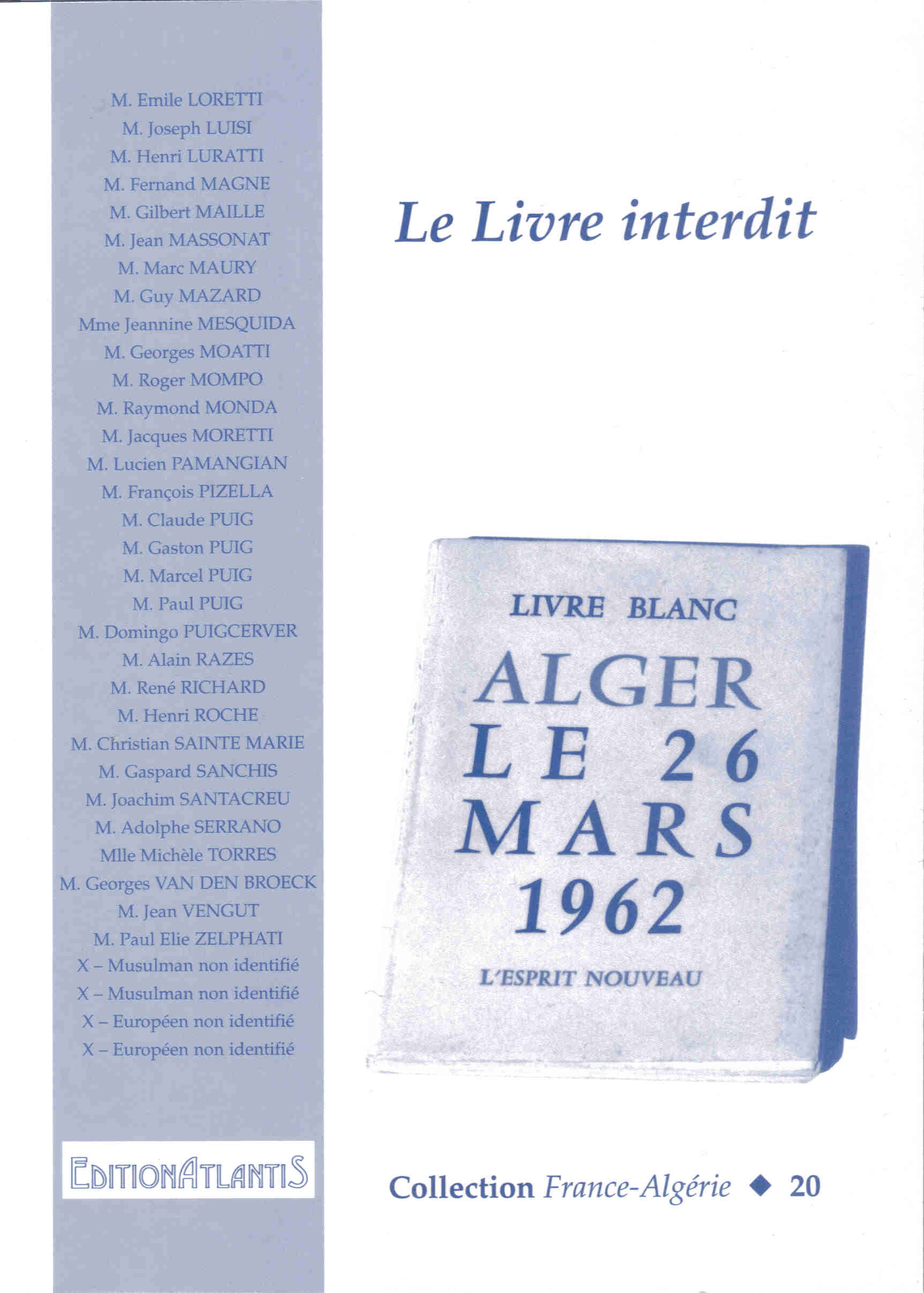
I was born in Algiers in September 1943. My parents, my older brother, and I lived in a small villa in the suburbs of Algiers, in La Redoute. At the age of 10, we moved to a modest apartment near the city center. I continued my secondary education from the 3rd year (classe de 3e) at the École de l'air at Cap Matifou, where I was admitted following an entrance exam in 1959. I was part of the 1959-1963 class... which I would not finish because of independence. After the 1962 Easter holidays, we would not return to school. Violence was unleashed: kidnappings and disappearances of civilians organized by the FLN, abuses committed by the CRS and mobile gendarmes against the Pied-Noir population. I lived through many dramatic events on the spot, the most traumatic of which would remain March 26, 1962, which I experienced very closely with my father...
The Ville de Tunis would take us into exile... on June 15, 1962, my mother and I, an aunt and her two children, as well as one of this aunt's brothers. My father would arrive in turn in September 1962 for a transfer to Béthune in Pas-de-Calais. After a final year of high school in Toulouse, I started a physics-chemistry degree at the Faculty of Science in Lille, a degree I would complete in Toulouse after meeting the woman who would become my wife. After 13 months of military service at the Toulouse-Francazal airbase, I began a career as a computer scientist at the SNCF in Paris in October 1970. Six years later, I "fled" the Parisian greyness to settle in Aix-en-Provence, still as a computer scientist, but this time in the banking sector.
Obsessed with my "Algiers" experience, the loss of my homeland, the loss of friends who died or were scattered throughout the world after this "debacle," I regularly scribbled some memories in a modest journal, a form of psychotherapy, with the hope of leaving my son a trace of my history.
Encouraged by a friend, I put these few notes and memories into a more readable format so that potential readers might better understand our history.
With age and time passing, and even if my memory is slowly starting to fail me, these first 19 years of my life remain and will remain deeply engraved in me until the end of my days. They are what have made me who I have become today.
Semi-retired starting in 2004, and fully retired in 2006, I resumed full-time an activity that I had been practicing "part-time" since the end of the 80s: painting. In Provence, I found back some of the colors and lights of my homeland, and thanks to this activity, I found a form of serenity, facing an era and a country that no longer exist except in my memory.
http://henri.guey.free.fr/
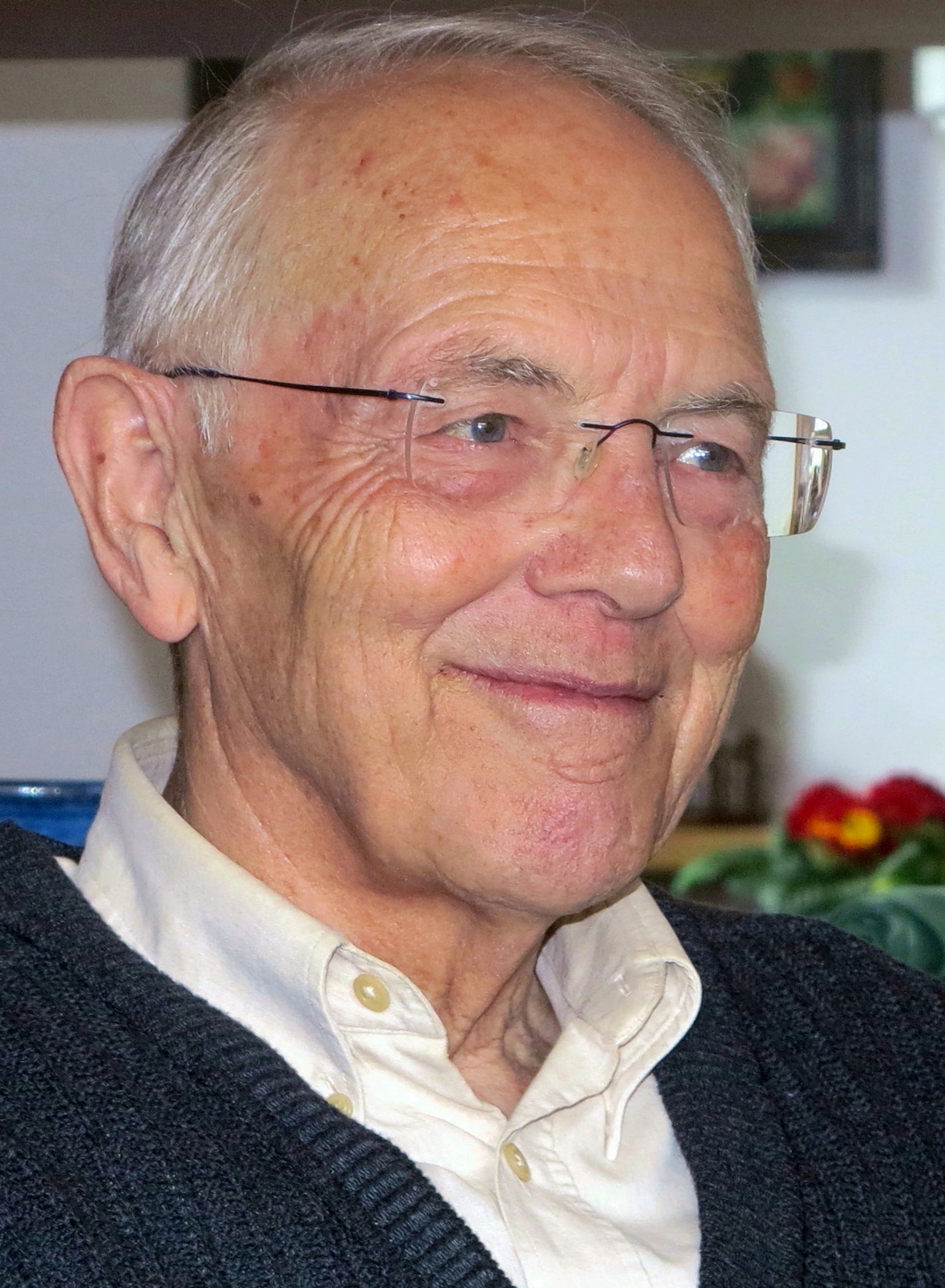
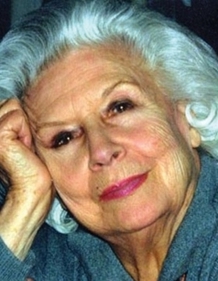
Janine Montupet
Janine Montupet belongs to the soil of Algeria with every fiber of her being. Her ancestors settled there as early as 1848. Through the grand romantic fresco that is the La Fontaine rouge trilogy (1953–1955), Janine Montupet set out to describe the successive owners of the Fontaine rouge estate located in the Mitidja plain. La Traversée de Fiora Valencourt brings this great Algerian saga to a close.
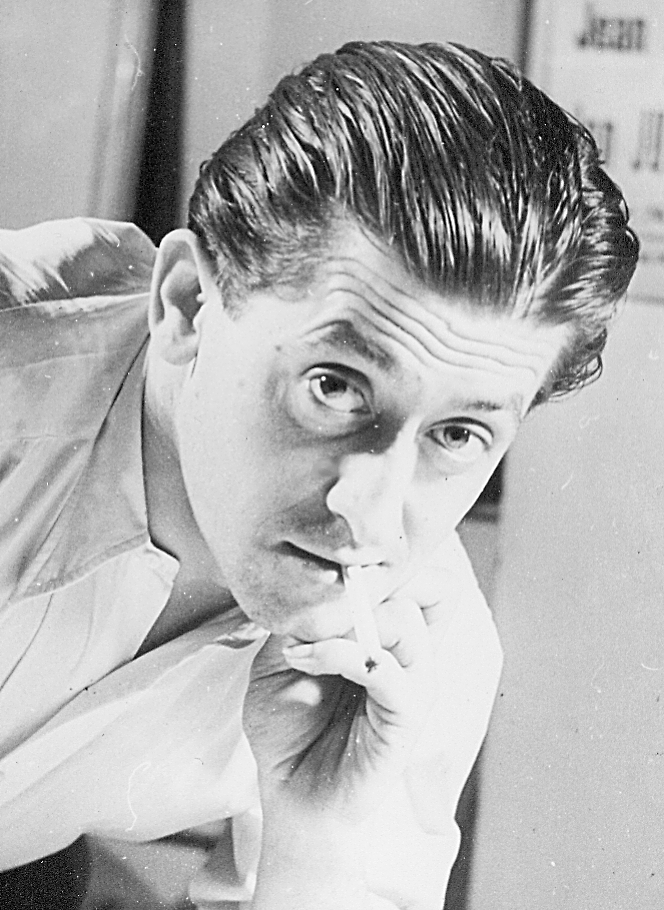
Jean Brune
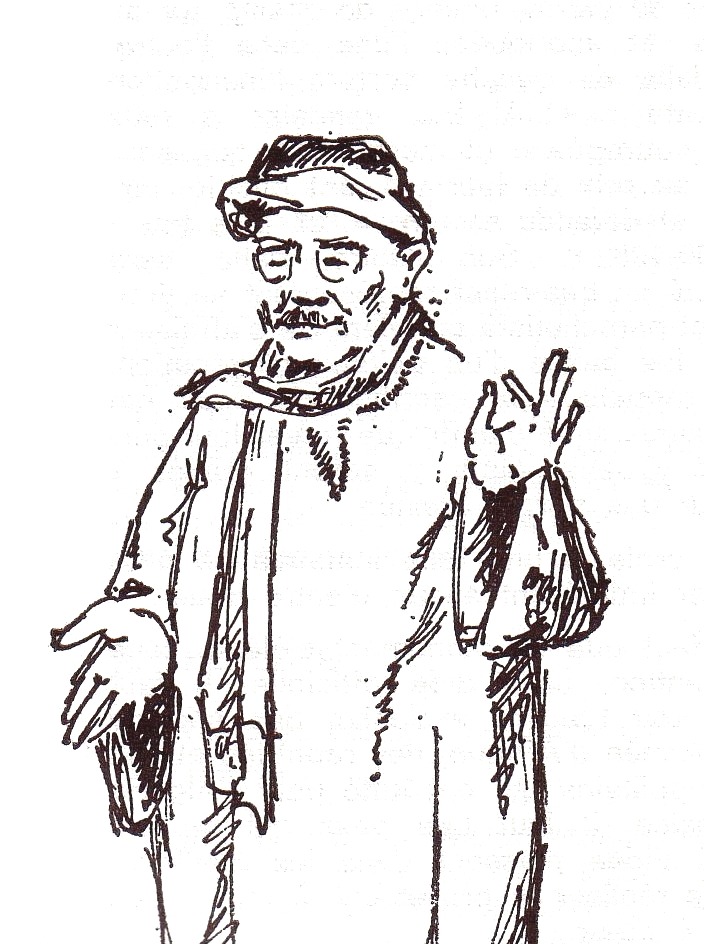
Jean Brune was born on March 12, 1912, in Aïn-Bessem. Undermined by the loss of his Algeria, for which he had fought so hard and had hoped for a fraternal destiny, Jean Brune died in Nouméa on September 23, 1973, barely 5 weeks before the founding of the Cercle Algérianiste on November 1, 1973.
In 1983, his biographer Francine Dessaigne attempted to "capture this multifaceted being, an artist with a light pencil, a master of words carrying strong ideas, a man rich in heart" in Jean Brune, Français d'Algérie, a work reissued in 1998 and augmented with his war sketches captured in the moment when, in a tank of the First Armored Division, he landed on the coasts of Provence on August 15, 1944, alongside all the other Frenchmen from Algeria who, with a single impulse, came to "participate in the overwhelming pageantry of the battle of the Liberation."
From 1945 onwards, Jean Brune worked as a journalist for several newspapers, including La Dépêche quotidienne. His two novels Cette haine qui ressemble à l'amour (1961) and La Révolte (1965), as well as his pamphlet Interdit aux chiens et aux Français (1967), are among the classics of Pied-Noir literature.
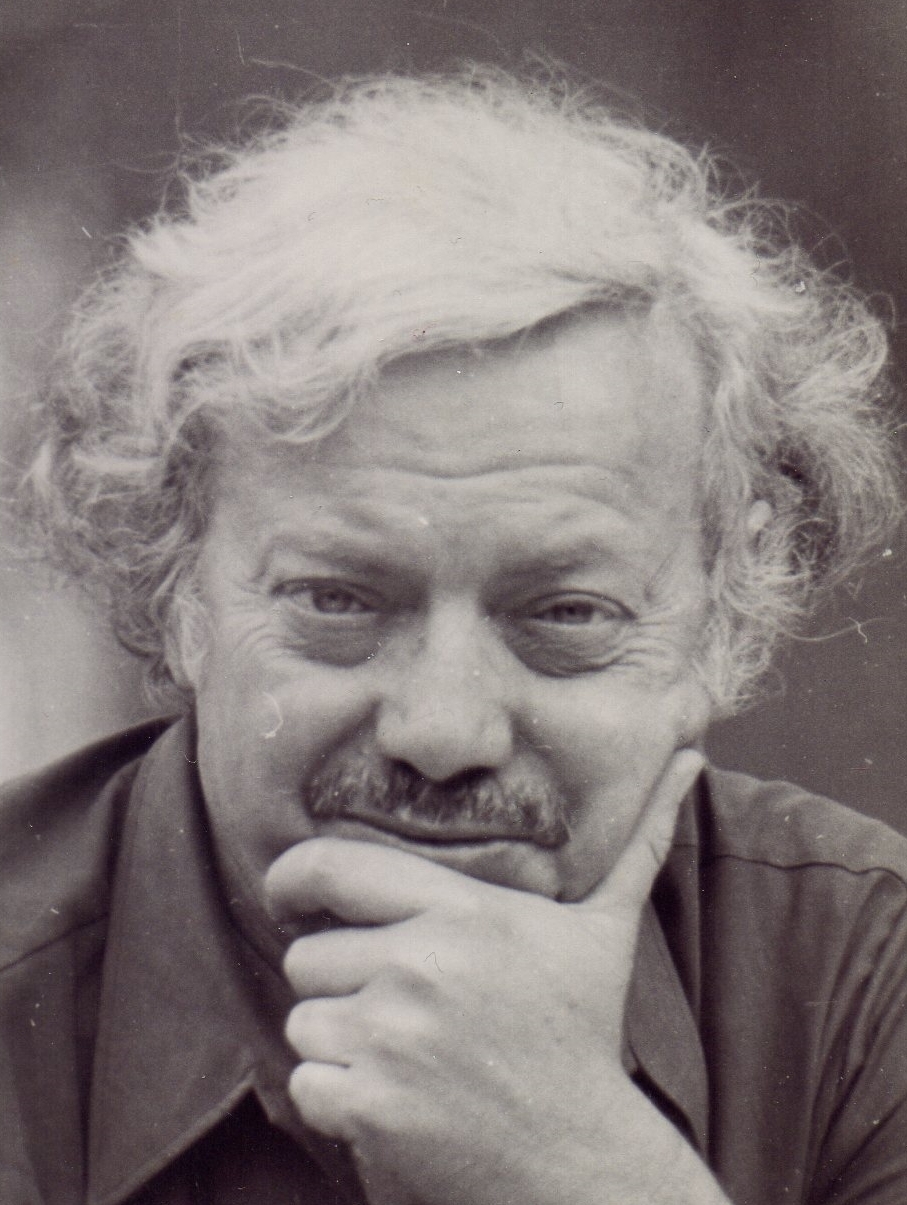
Jean-Pierre Lledo
Jean-Pierre Lledo was born in 1947 in Tlemcen. He has been Algerian since the 6th century BCE through his maternal Jewish ancestors, and since 1848 through his paternal Catalan ancestors.
Following Islamist threats, Jean-Pierre Lledo had to leave Algeria in 1993. Since then, he has directed several documentary films linked to the multi-ethnic realities of pre-1962 Algeria, memories suppressed by official history.
Jean-Pierre Lledo now lives in Israel.
Jérôme Tanon
Jérôme Tanon was born in 1935 in Paris.
He lived in Morocco, then in Algiers, until the age of 19. After a long career as an industrial engineer, he settled in the Midi.
"You are a Frenchman from France," my comrades—both Muslims and French Algerians—would tell me, even though I had spent my entire youth among them.
It took more than fifty years for me to feel the need to exorcise this singularity into a saga blending reality and fiction, through the vision of a child with an innocent, then naive, and finally ingenuous gaze.
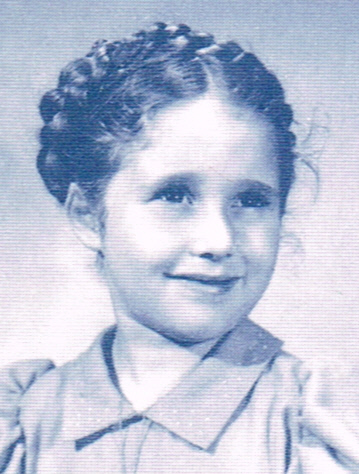
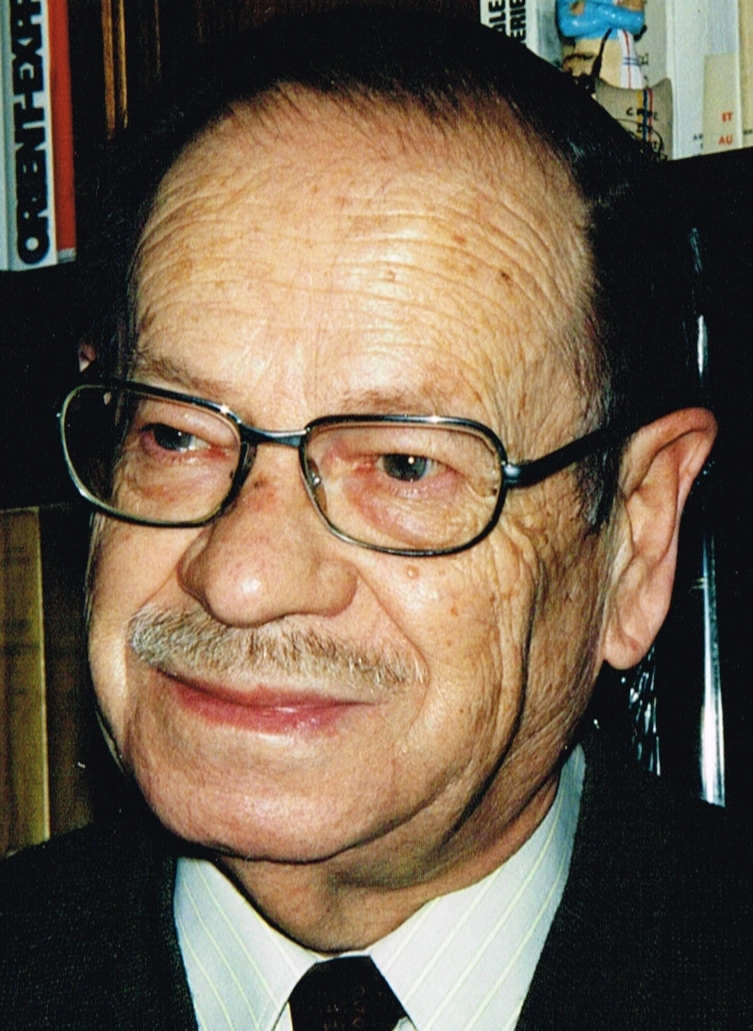
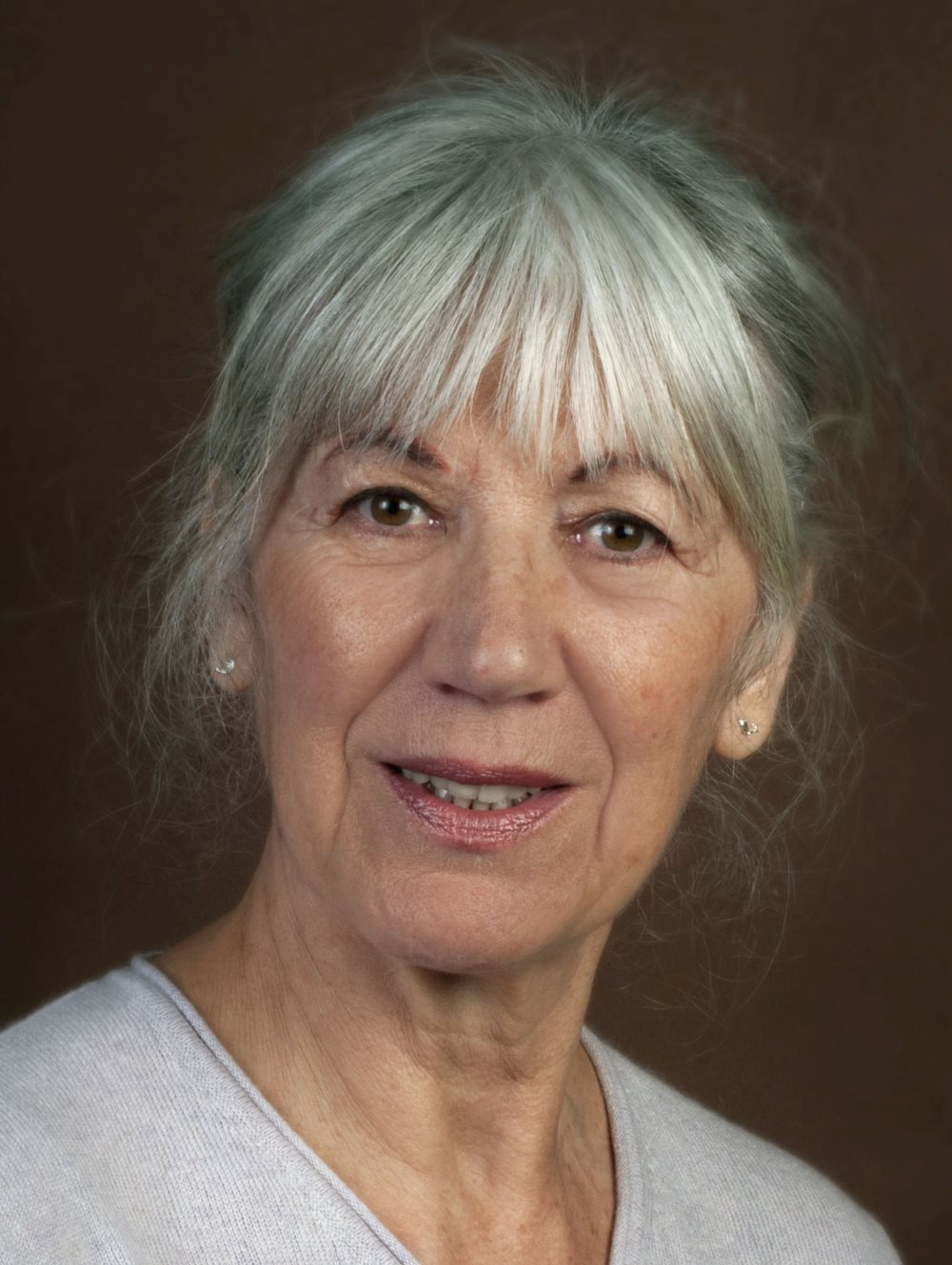
Maïa Alonso
Maïa Alonso is a fourth-generation child of a Spanish family who arrived from Arboleas during the summer of 1870 to settle in the south of Oran, in the Mascara region.
She lives in Gascony after a nomadic youth spent between Toulouse, London, and Paris. She has published three novels: L’odyssée de Grain de Bled en terre d’Ifriqiya (L’Harmattan, 2013); Le soleil colonial – Au royaume des cailloux (Atlantis, 2014; Prix Terre d’Eghriss 2014) and Les Enfants de la Licorne (Atlantis, 2015).

Marc Faber
Marc Faber has been living and working in Provence, at the foot of Mont Ventoux, for over 20 years.
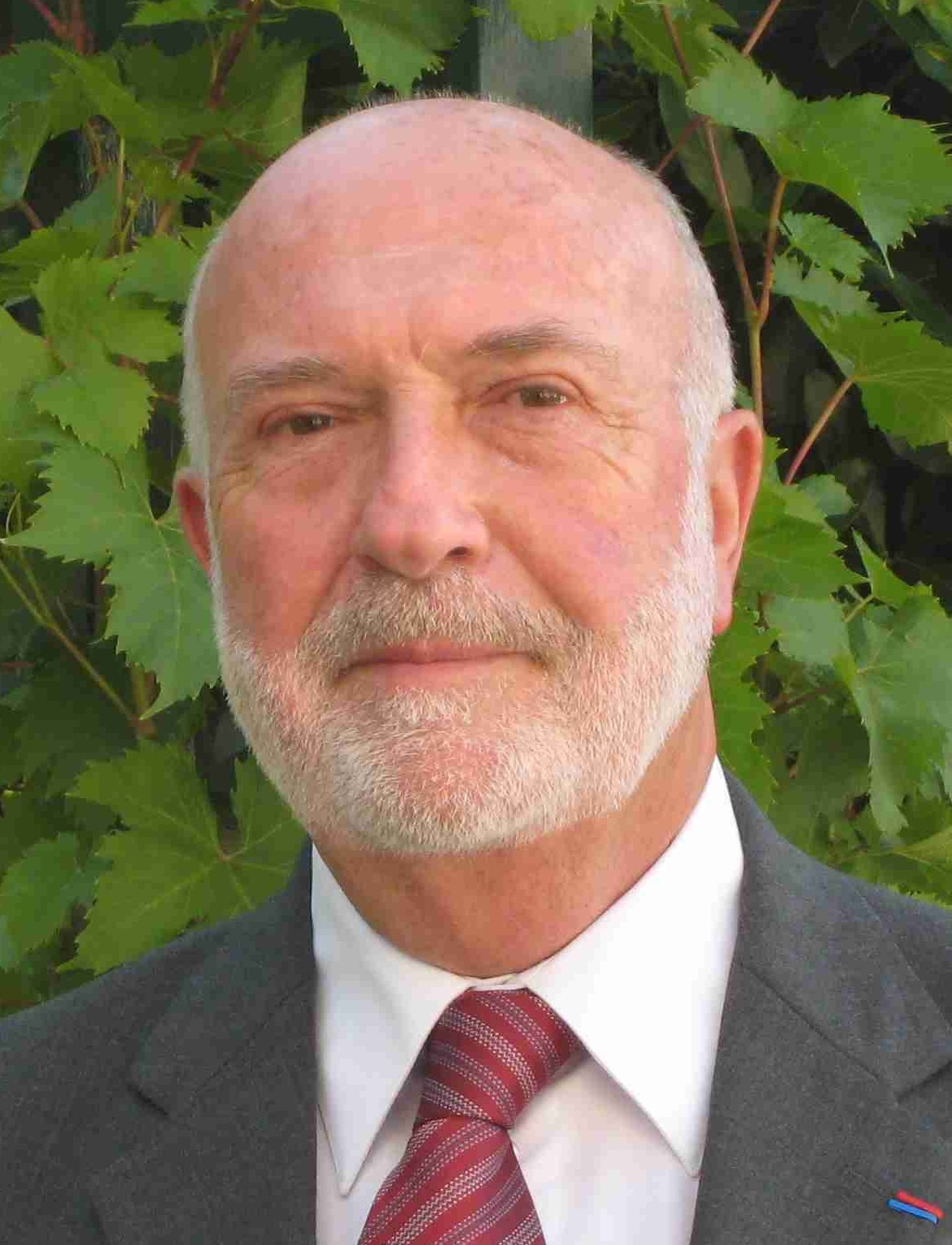
Maurice Calmein
Maurice Calmein was born in 1947 in Oran.
In 1960, his family moved to Toulouse where, from the age of twenty, he campaigned in associations for French people from Algeria. As president of the Amicale universitaire pied-noir, he met Jean Pomier, one of the founders of the Algerianist movement, who became his friend despite their sixty-year age gap. He would go on to found the Cercle algérianiste a few years later, with Jean Pomier serving as honorary president.
Maurice Calmein is the author of several books on Algeria, including Exode, Les Français d'Algérie. 1962-2014, Dis, c'était comment à l'époque de l'Algérie française ?, and the novel Le Sel des Andalouses.
He served as editor of the journal l’Algérianiste for over ten years.
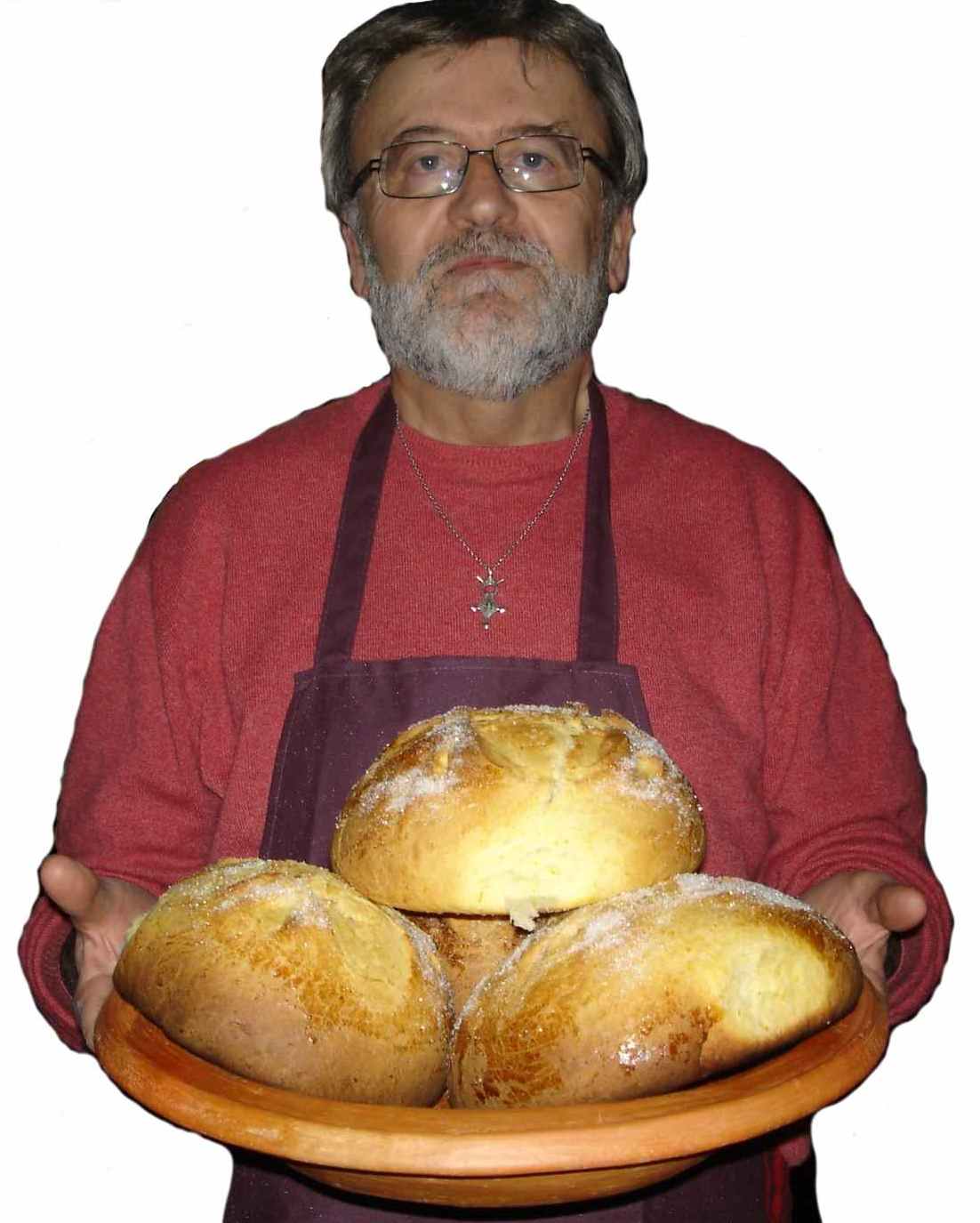
Max Teste
Max Teste was born on July 9, 1941, in Constantine, to a father from the Ardèche, who arrived in Algeria at a very young age, and a Pied-noir mother of Maltese descent. Shortly after, his parents, who operated a small farm near El Khroub, settled first in Algiers and then in a small village in the Mitidja plain. He completed his secondary education at the Lycée Duveyrier in Blida, then began his higher education at the University of Algiers. Afflicted, like many Pieds-Noirs, upon his arrival in France with an incurable "nostalgérite" (nostalgia), he became an active member of numerous associations and friendly societies for repatriates.
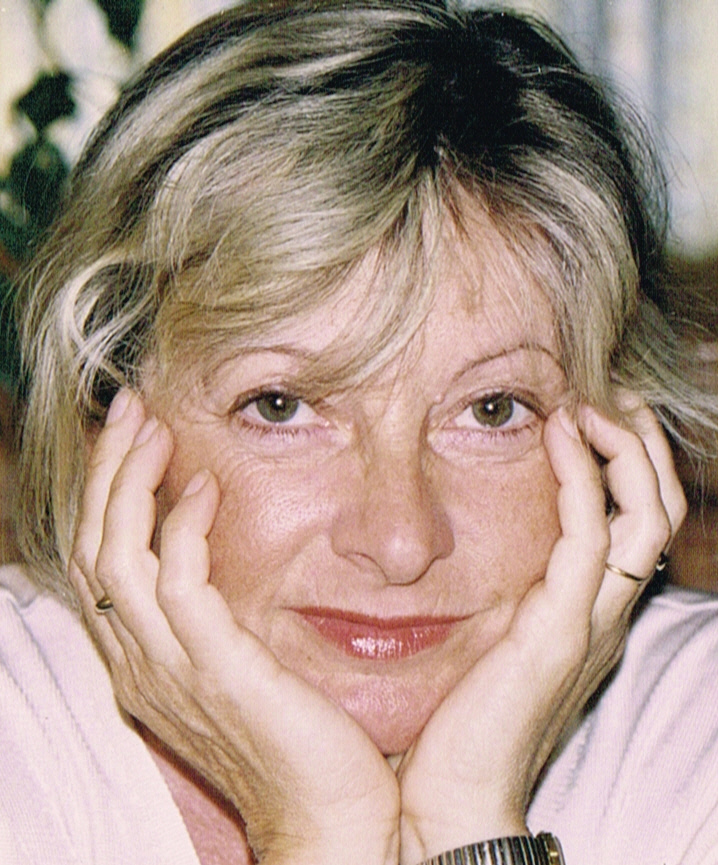
Nicole Guiraud
Nicole Guiraud was born in 1946 in the Sahel of Algiers, a descendant of a lineage of pioneers rooted in the country for five generations. At the age of 10, she was seriously wounded in the Milk Bar bombing on September 30, 1956, in Algiers. In her journal, she recounts the violence of the civil war between April and June 1962 in Algiers, which would lead to the exodus of the French from Algeria. A visual artist, she bears witness to the forgotten memory of a pluralistic Algeria, with its moments of intense happiness and cruel heartbreaks.